What Is Stump Grinding and Why Should You Consider It Over Full Stump Removal?
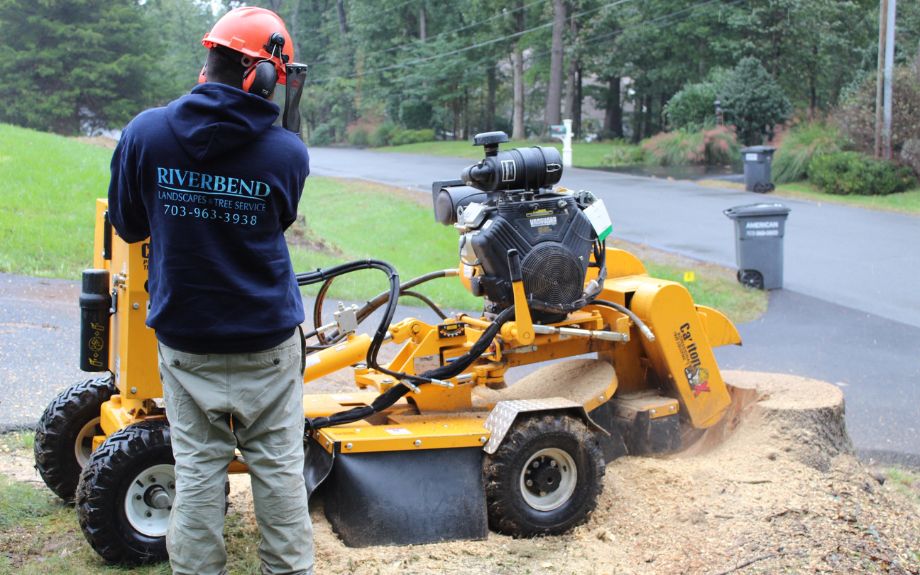
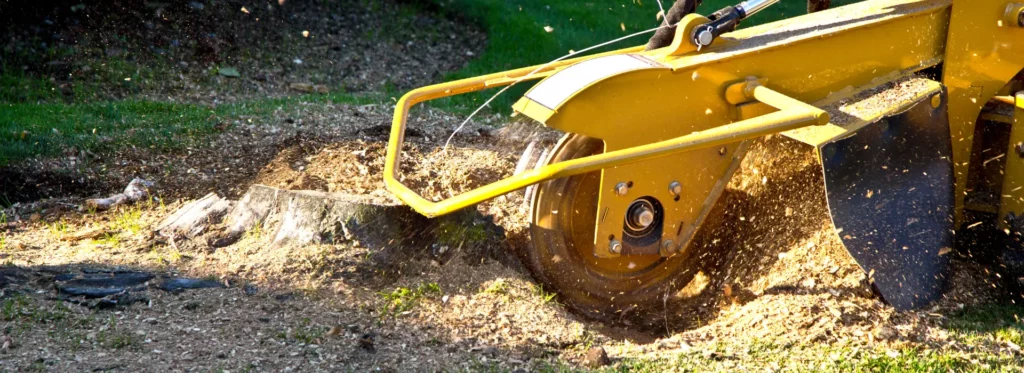
Stump grinding is a tree removal method that uses specialized machinery to shred a tree stump into wood chips by cutting it down several inches below ground level. The process leaves the roots intact underground where they naturally decompose over time without disturbing your landscape.
This approach offers several advantages over complete stump extraction. Full removal requires heavy equipment to dig out the entire root ball, which creates large holes in your yard and risks damaging nearby plants, underground utilities, and surrounding root systems. Stump Grinding Cost avoids these complications while being safer for both your property and the environment
Key benefits of stump grinding include:
- Minimal landscape disruption and faster completion times
- Lower risk to nearby plants and existing root networks
- Produces useful wood chip mulch as a byproduct
- More cost-effective than excavation methods
- Eliminates tripping hazards and pest habitats
Understanding how to estimate your stump grinding cost before hiring a professional helps you budget accurately and avoid surprise expenses. The stump grinding cost depends on multiple variables including size, quantity, and location conditions. When you estimate stump grinding expenses upfront, you can compare quotes effectively and make informed decisions about which service provider offers the best value for your specific situation.

What Factors Do Professionals Consider When Estimating the Cost of Stump Grinding?
Stump Diameter Pricing
Stump diameter pricing serves as the primary calculation method for most professional tree service companies. Arborists measure the width of your stump at its widest point and charge between $2 to $5 per inch of diameter. A 20-inch stump would cost approximately $40 to $100 for grinding alone, while a 40-inch stump could range from $80 to $200.
The measurement process typically involves measuring at ground level where the stump meets the soil. Some professionals measure slightly above ground if the stump has significant flaring at the base. This diameter-based pricing allows for transparent quotes that homeowners can verify themselves with a simple tape measure.
Number of Stumps Cost
Number of stumps cost calculations often include volume discounts that reduce your per-stump rate. Professionals can set up their equipment once and work through multiple stumps efficiently, passing those savings to customers. A single stump might cost $150, but three stumps could total $350 instead of $450, effectively reducing each stump’s price to roughly $117.
The discount structure varies by company:
- 2-3 stumps: 10-15% reduction per stump
- 4-6 stumps: 15-25% reduction per stump
- 7+ stumps: 25-35% reduction per stump
Geographic clustering matters for these discounts. Stumps located close together on your property qualify for better rates than stumps scattered across different areas of a large lot. Travel time between stumps affects the grinding crew’s efficiency, which directly impacts your final bill.
Minimum Charges
Some companies set minimum charges around $100 regardless of stump size. This base fee covers equipment transport, setup, and the first hour of labor. Small stumps under 12 inches in diameter might hit this minimum rather than being charged by diameter.
For a comprehensive understanding of the cost of stump grinding, it’s crucial to consider these factors as they significantly influence the overall price.
How Does The Type and Condition Of A Tree Influence The Cost Of Stump Grinding?
1. Tree Type
Tree type cost variation plays a significant role in determining your final bill. Hardwood species like oak, maple, and hickory contain dense root systems that require more time and blade wear to grind through, often increasing costs by 20-30% compared to softwoods. Pine, cedar, and poplar stumps grind faster due to their softer composition, making them less expensive to remove.
The root density directly impacts grinding time. A mature oak stump might take 45 minutes to grind, while a similar-sized pine stump could be completed in 20 minutes. Professionals account for this difference when calculating quotes, sometimes charging premium rates for particularly stubborn species.
2. Stump Condition
Condition of tree stump affects both complexity and pricing. Fresh stumps with green wood are harder to grind than aged stumps, requiring more powerful equipment and multiple passes. A recently cut stump might cost 15-25% more than one that’s been sitting for several months,
Decayed stumps present a different scenario. While rotted wood grinds more easily, the unpredictable structure can complicate the job:
- Hidden cavities may contain rocks or debris that damage equipment
- Unstable stumps can shift during grinding, creating safety hazards
- Insect infestations or fungal growth require special handling precautions
Damaged stumps from storms or disease often have irregular shapes that make positioning the grinder difficult. Professionals may need to make preliminary cuts or remove protruding roots manually, adding labor time to the project.
3. Moisture Content
The moisture content also matters. Waterlogged stumps from recent rainfall or poor drainage areas require more grinding passes, potentially adding $25-$75 to your estimate depending on severity.
What Other Services Should You Consider When Hiring a Professional for Stump Grinding?
1. Debris Removal Charges
One of the most common additional costs homeowners face is debris removal charges. During the grinding process, wood chips and mulch are created, which professionals may dispose of for an extra fee. This fee usually ranges from $50 to $100, depending on the amount of debris. Some contractors include basic cleanup in their initial price, while others charge separately for removing debris from the site or leaving it for you to use as garden mulch.
2. Permits for Stump Grinding
In certain areas, especially for stumps located near property lines, sidewalks, or utility easements, permits for stump grinding may be required. Your local government might charge between $50 and $150 for permit applications, and some locations necessitate inspections before and after the work is done. Professionals who are familiar with local regulations can often take care of obtaining permits on your behalf, but they will include these costs in your final bill.
3. Root Barrier Installation
If you’re worried about regrowth or want to safeguard nearby structures, root barrier installation is another service you should think about. This preventative measure typically costs between $100 and $300, depending on how much coverage is needed.
4. Site Restoration Services
To restore your yard to its original state after stump grinding, you may need site restoration services such as sodding, reseeding, or soil leveling. These cosmetic enhancements can add anywhere from $75 to $200 to your project budget but will create a polished look that seamlessly integrates with your existing landscaping.
When figuring out how to estimate your stump grinding cost before hiring, ask for detailed quotes that clearly outline the base grinding fees and these additional services separately.
How Can You Estimate Your Own Stump Grinding Costs If You Want To Go The DIY Route?
DIY stump grinder rental price typically ranges from $100 to $200 for a half-day rental and $150 to $400 for a full day, depending on the machine size and your location. Most rental companies charge separately for delivery and pickup, which can add $50 to $100 to your total cost.
You’ll need to factor in safety equipment expenses beyond the grinder itself. Essential protective gear includes:
- Heavy-duty work gloves ($15-$30)
- Safety goggles or face shield ($10-$25)
- Steel-toed boots ($50-$150)
- Hearing protection ($10-$30)
- Chainsaw for cutting the stump flush to ground level ($150-$300 if purchasing, or $40-$75 daily rental)
Fuel costs represent another expense, as stump grinders consume approximately 1-2 gallons of gas per hour of operation. Budget $10-$20 for fuel depending on your project size.
The total DIY cost for a single-day project typically falls between $250 and $600 when combining equipment rental, safety gear, and fuel. This approach makes financial sense if you have multiple stumps to grind, as the per-stump cost decreases significantly. For a single small stump, professional services may prove more economical when you account for the learning curve and physical demands of operating heavy machinery.
What Are Typical National Average Prices For Stump Grinding And How Can Homeowners Use This Information To Plan Their Budgets Effectively?
The average stump grinding cost US homeowners pay falls between $158 and $450 per stump, though your actual price depends on the specific factors affecting your project. This range gives you a realistic starting point for budget planning.
Most professionals enforce base prices for stump grinding around $100 for small jobs. This minimum charge covers the cost of bringing equipment to your property, even if you only have one small stump. The base price ensures the service provider can cover their operational expenses like fuel, equipment wear, and labor time.
Understanding these national averages helps you identify fair pricing when comparing quotes. A contractor charging $50 per stump might be cutting corners on safety or equipment quality, while someone asking $600 per stump may be overcharging unless your project involves unusual complications.
You can use this pricing information to create a realistic budget by:
- Multiplying the number of stumps by the average cost range ($158-$450)
- Adding the base price if you have only one or two small stumps
- Including a 15-20% buffer for unexpected complications or additional services
- Comparing your calculated estimate against actual quotes from local providers
The per-stump pricing model works well for properties with multiple stumps of similar size. If you have three medium-sized stumps, expect to pay between $474 and $1,350 total. Properties with just one small stump will likely pay closer to the $100-$158 range.
In some cases, homeowners may also need to consider how much it costs to remove a fallen tree, as this could impact their overall landscaping budget.
Regional variations affect these averages significantly. Urban areas with higher labor costs typically see prices at the upper end of the range, while rural locations might offer lower rates but add mileage fees. Your local market conditions, seasonal demand, and contractor availability all influence where your actual costs fall within the national average spectrum.
Conclusion
With knowledge about diameter measurements, tree conditions, and potential add-on services, you can plan your stump grinding budget with confidence. Request quotes from at least three providers, sharing your stump measurements and specific site conditions to receive accurate estimates.
When evaluating contractors, look beyond the lowest price. Verify their insurance coverage and ask about their equipment maintenance practices. A reputable provider should explain their pricing structure clearly and walk your property to assess access challenges or terrain concerns.
How to Estimate Your Stump Grinding Cost Before Hiring becomes straightforward when you:
- Measure each stump’s diameter at ground level
- Count total stumps needing removal
- Document accessibility issues or hazards
- List desired additional services upfront
- Compare itemized quotes side-by-side
Quality providers balance competitive pricing with proper safety protocols and thorough cleanup. Check online reviews focusing on completed work quality rather than just cost. The right professional delivers value through efficient grinding, minimal property disruption, and reliable service that protects your landscape investment.
Click here: Essential Tips from Experienced Tree Trimmers in Sydney