What Are Termite Barriers and Why Are They Essential in Sydney?
Termite barriers are protective systems installed around properties to prevent termite entry and protect structural timber from infestation. These defence mechanisms create a continuous zone of protection that either blocks termite access physically or eliminates them through chemical treatment.
Sydney’s warm, humid climate provides ideal conditions for several destructive termites sydney species. The most common culprits include:
- Coptotermes acinaciformis – Australia’s most destructive species, responsible for over 70% of damage
- Schedorhinotermes intermedius – Highly secretive, often undetected until significant damage occurs
- Nasutitermes exitiosus – Builds distinctive mound nests in gardens and lawns
These subterranean termites cause millions of dollars in structural damage annually across Sydney, attacking timber frames, flooring, and roof structures. Most home insurance policies exclude termite damage, making prevention critical for protecting your investment.
Types of termite barriers available in Sydney include:
- Chemical barriers – Liquid termiticides applied to soil around the building perimeter
- Physical barriers – Stainless steel mesh or graded stone particles that termites cannot penetrate
- Baiting systems – Monitoring stations containing cellulose material treated with slow-acting toxins
Each barrier type offers distinct advantages depending on your property’s construction, soil conditions, and budget. Understanding termite barrier Sydney installation depth requirements ensures maximum protection for your home.
How Do Chemical Termite Barriers Work?
A chemical termite barrier creates a protective zone around your property by saturating the soil with liquid termiticides that either repel or kill termites on contact. When termites attempt to tunnel through this treated soil, they absorb the chemical through their bodies, leading to colony elimination as they spread the termiticide to other members.
Installation Process
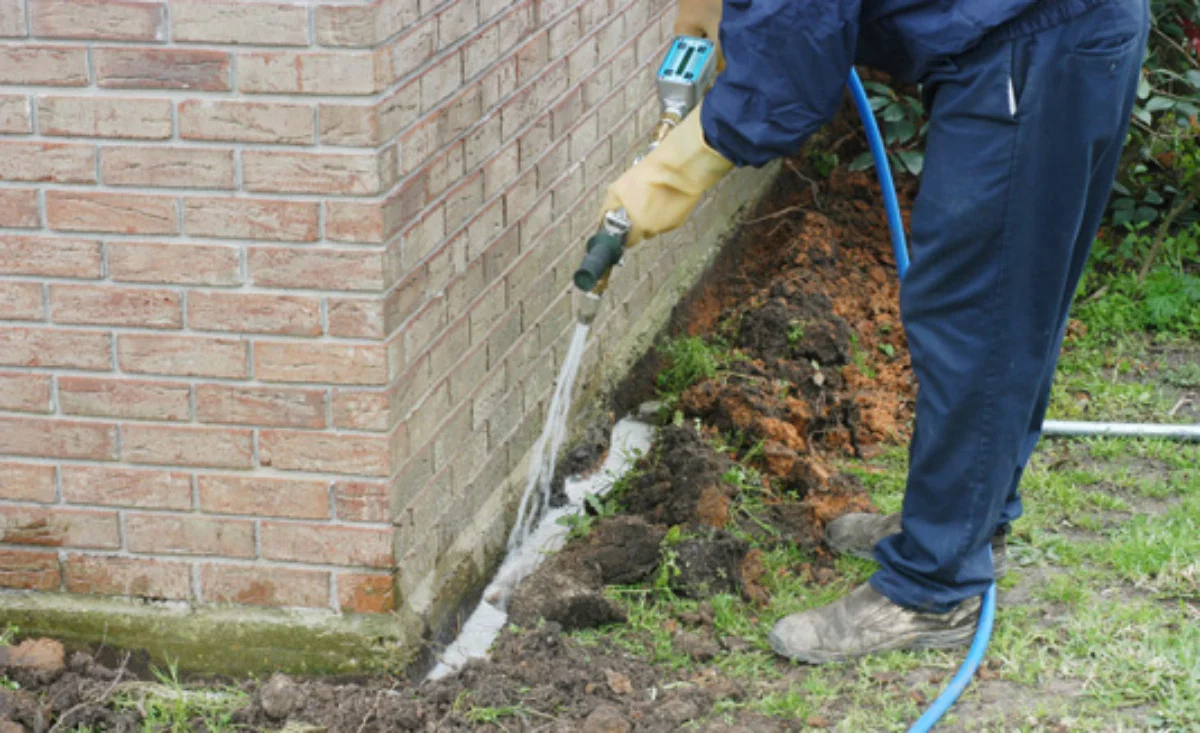
The installation process involves chemical trenching around the building’s perimeter. Pest control professionals dig a trench approximately 150-300mm wide alongside the foundation, then apply a diluted termiticide solution at specific concentrations mandated by Australian standards. The treated soil creates a continuous barrier that extends both vertically and horizontally, forming an impenetrable zone.
Mechanisms of Action
Termiticides work through two primary mechanisms:
- Repellent barriers force termites to retreat, preventing them from crossing the treated zone
- Non-repellent barriers allow termites to pass through unknowingly, transferring the chemical back to their colony
Long-lasting Protection
The treated soil zone remains active for years, continuously protecting vulnerable entry points. Chemical barriers excel at disrupting established termite pathways, as termites cannot detect non-repellent products and inadvertently carry the termiticide through their tunnels. This transfer effect amplifies the barrier’s effectiveness, reaching termites that never directly contacted the treated area. The chemical bonds with soil particles, maintaining its protective properties even during rainfall or ground movement.
How Deep Should a Chemical Termite Barrier Be Installed?
Termite barrier depth directly determines whether the treatment can effectively block subterranean termite access to your home. The trench must reach deep enough to intercept all potential entry routes that termites use to travel from their underground colonies to the structure above.
Standard trench depth for termite barrier installation in Sydney typically ranges from 150mm to 300mm, though specific requirements depend on soil type and local building regulations. Clay soils often require shallower trenches compared to sandy soils, where termites can tunnel more easily at greater depths.
The depth serves three critical functions:
- Intercepts subterranean termite tunnels that extend horizontally beneath the soil surface
- Creates a continuous treated zone around all slab penetrations including pipes, cables, and footings
- Ensures the chemical barrier extends below the level where termites typically construct their mud tubes
For homes built on concrete slabs, the trench must reach the base of the slab edge to prevent termites from accessing the gap between soil and concrete. Properties with suspended floors require treatment to the depth of the footings, creating a complete protective envelope around the structure. Professional installers assess site-specific conditions to determine the precise depth needed for maximum protection against termite intrusion.
What Are Physical Termite Barriers and How Are They Installed?
Physical termite barriers create a mechanical shield that termites cannot penetrate or pass through. Sydney homes commonly use stainless steel mesh termite barriers and crushed rock barriers as non-chemical alternatives that provide long-term protection without requiring reapplication.
How Stainless Steel Mesh Barriers Work
Stainless steel mesh barriers feature tightly woven mesh with apertures smaller than 0.66mm—too small for termites to squeeze through. These barriers are installed during construction around the entire building perimeter and at all slab penetrations, including:
- Pipe entries and conduits
- Expansion joints
- Foundation edges
- Service penetrations
How Crushed Rock Barriers Work
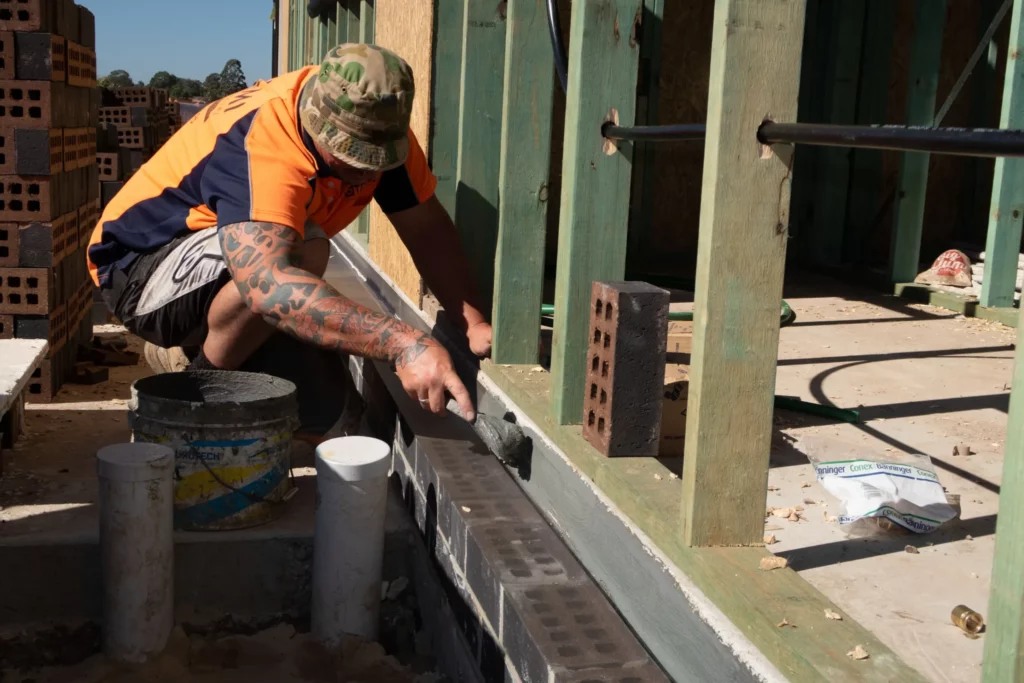
Crushed rock barriers utilise uniformly graded granite particles (typically 2.36mm to 5mm) that termites cannot move or tunnel through. The rock creates a 50mm minimum layer beneath and around the building slab.
Installation Process
Installation requires precise placement during the building phase. Mesh barriers must maintain continuous coverage with no gaps or tears, sealed carefully at joints and overlaps. The depth extends from ground level down to the footing base, ensuring complete coverage of potential entry points.
Benefits of Physical Barriers
Physical barriers offer exceptional durability, lasting the lifetime of the building without degradation. Unlike chemical treatments requiring reapplication every 5-10 years, properly installed physical termite barriers provide permanent protection. The stainless steel mesh resists corrosion in Sydney’s coastal climate, whilst crushed rock maintains its integrity indefinitely when correctly installed to specified depths and gradations.
Why Is Professional Installation Recommended for Termite Barriers?
Can homeowners install termite barriers themselves, or is professional help necessary? Professional termite barrier installation is strongly recommended due to the specialised knowledge and equipment required for effective termite protection. Licensed technicians understand soil conditions, building structures, and termite behaviour patterns specific to Sydney properties.
What technical skills do professionals bring to barrier installation? Installers must accurately calculate termiticide dilution rates, determine optimal trench depths for varying soil types, and identify all potential termite entry points around foundations and slab penetrations. They possess the training to navigate complex building layouts and ensure complete perimeter coverage without gaps.
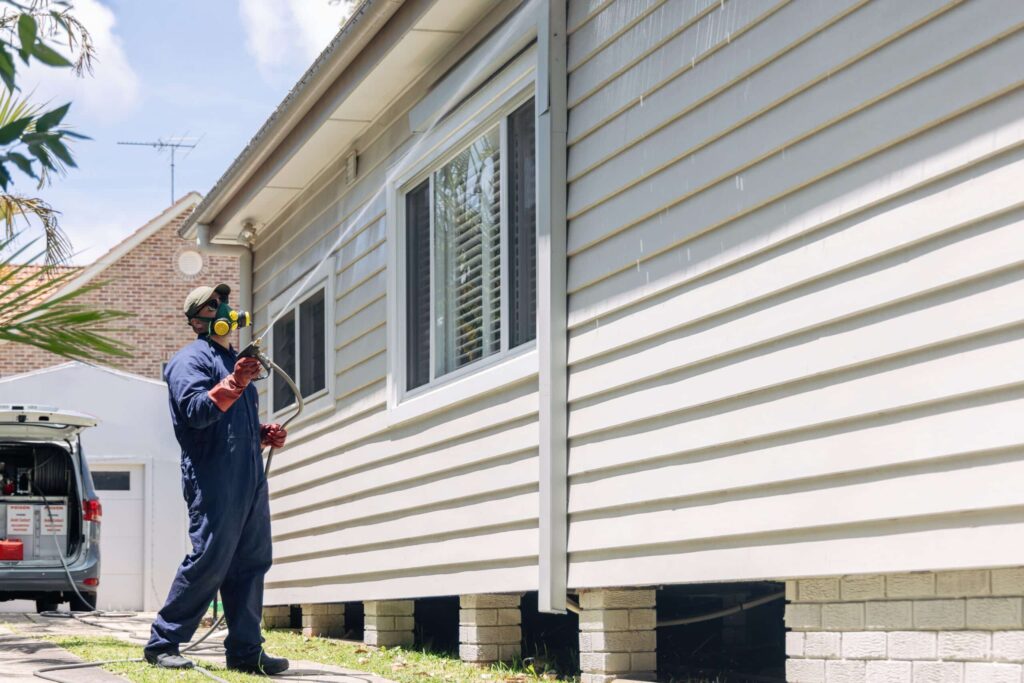
Are there safety risks when handling termiticides? Safety handling termiticides requires protective equipment and knowledge of proper application techniques. These chemicals can pose health risks if mishandled or applied incorrectly. Professionals follow strict safety protocols and understand Australian Pesticides and Veterinary Medicines Authority (APVMA) regulations governing termiticide use. It’s important to note that improper pest control methods can lead to serious health issues.
What advantages come with professional assessment? Licensed inspectors conduct thorough property evaluations before installation, identifying existing termite activity, moisture problems, and structural vulnerabilities that DIY approaches might miss. Moreover, the Australian Competition and Consumer Commission (ACCC) has guidelines that highlight the importance of professional assessments in ensuring effective pest control measures.
How Do Local Building Codes Influence Termite Barrier Installation in Sydney?
Sydney building codes directly dictate installation specifications to protect homes from subterranean termites. The Australian Standard AS 3660 sets mandatory guidelines that licensed pest controllers must follow when installing barriers around residential properties.
Termite regulations in New South Wales (NSW) specify minimum trench depths, typically requiring excavation to 80-100mm below the soil surface or down to the footing level, whichever is deeper. These standards ensure the treated zone intercepts termite tunnels before they reach structural elements.
The codes mandate specific installation standards that vary based on construction type:
- Slab-on-ground construction: Barriers must extend beneath the slab edge and around all penetrations
- Suspended floors: Treatment zones must cover all supporting piers and stumps
- Reticulation systems: Pipe placement depths must allow even distribution of termiticide
Building inspectors verify compliance during construction phases, checking trench dimensions, chemical dilution rates, and coverage areas. Non-compliant installations risk approval rejection and leave properties vulnerable to termite entry through untreated gaps.
How Long Do Termite Barriers Last and What Maintenance Is Needed?
Chemical termite barriers typically last 5 to 10 years depending on soil conditions, termiticide type, and environmental factors. Physical barriers like steel mesh offer longer protection, often lasting the lifetime of the building.
Regular inspections are critical to maintaining barrier effectiveness. Annual professional assessments help identify compromised areas before termites breach your defences. These checks verify the treated zone remains intact and the termiticide concentration stays at protective levels.
Watch for these warning signs indicating your barrier needs attention:
- Visible termite activity near the foundation
- Mud tubes on exterior walls
- Soil disturbance around the treated perimeter
- Landscaping changes that may have disrupted the barrier
- Water pooling near the foundation (dilutes chemical barriers)
Reapplication of termiticides becomes necessary when inspections reveal reduced effectiveness or when the recommended lifespan expires. Sydney’s warm, humid climate can accelerate chemical breakdown, potentially requiring earlier reapplication. Professional maintenance ensures your termite barrier continues protecting your property investment throughout its intended lifespan.
Related : How to Choose a Termite Control Company in Sydney You Can Trust