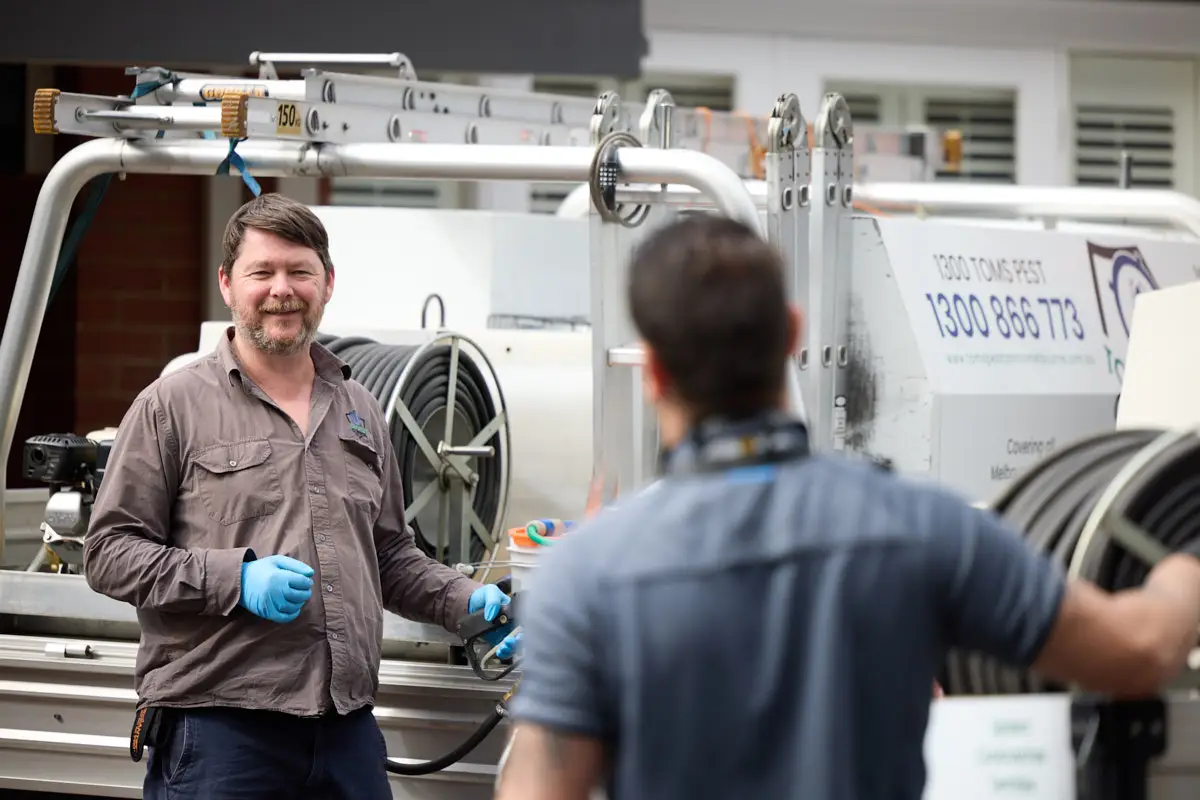
This guide explains what typically happens when Sydney pest control services carry out a visit, from the first questions they ask to what they leave behind once the job is done.
What happens before the technician even arrives?
They usually start with a short phone call or online booking form to understand the pest, the location, and the urgency. This is where Sydney Pest Control Services confirm whether the issue sounds like cockroaches, rodents, ants, termites, spiders, bed bugs, or something else.
They may also ask about pets, young children, allergies, recent building works, and whether anyone has tried DIY sprays. This helps Sydney Pest Control Services plan the safest approach and bring the right gear, baits, or monitoring tools.
How do they inspect a property in Sydney?
They begin by confirming signs of activity, not just taking a guess based on the pest name. That means looking for droppings, smear marks, nests, damage, tracks, shed skins, live sightings, moisture sources, and entry points.
They often check kitchens, laundries, roof voids, subfloors, garages, gardens, fence lines, and around plumbing penetrations. In Sydney homes, they pay close attention to warm, humid zones and gaps around doors, weep holes, vents, and service pipes where pests commonly move in.
What questions do they ask on-site, and why?
They ask questions to map the problem, not to fill time. They may ask when the pest is most active, where it has been seen, and whether activity has increased recently.
They also ask about cleaning routines, food storage, leaks, bin placement, and vegetation touching the home. These details reveal what is feeding or sheltering the pests. Without this context, even strong treatments can fail because the underlying attractant remains.
How do they decide which treatment method to use?
They match the method to the pest species, the level of activity, and the environment. That often means choosing between gel baits, bait stations, dusts, residual sprays, traps, exclusion work, or a combination.
They also consider safety and practicality. For example, in homes with pets or small children, they may prefer contained bait placements and targeted crack-and-crevice applications instead of broad surface treatments. For termites, they may choose monitoring and baiting or a barrier system, depending on site conditions.
What actually happens during the application step?
They apply products in the places pests travel and hide, not across random surfaces. For cockroaches, that can mean gel bait in hinges, cupboard joins, appliance voids, and under sinks, plus a residual treatment in harbourage zones if suitable.
For ants, they often use a non-repellent approach to avoid splitting the colony, combined with bait where it fits the species. For rodents, they place secured bait stations or traps along wall lines and known runways, then look for entry points to reduce re-entry. The application is usually methodical and slow rather than dramatic.
Do they treat the whole house or only problem areas?
They usually treat based on risk and evidence, not on square metres alone. If pests are localised, they may focus on the affected rooms and adjacent areas that act as corridors.
That said, some services include a general perimeter treatment to reduce new incursions, especially for spiders, ants, and cockroaches. In Sydney, technicians often treat external entry zones such as door thresholds, garage edges, and around plumbing where pests frequently cross from outside to inside.
What safety steps do they take during a treatment?
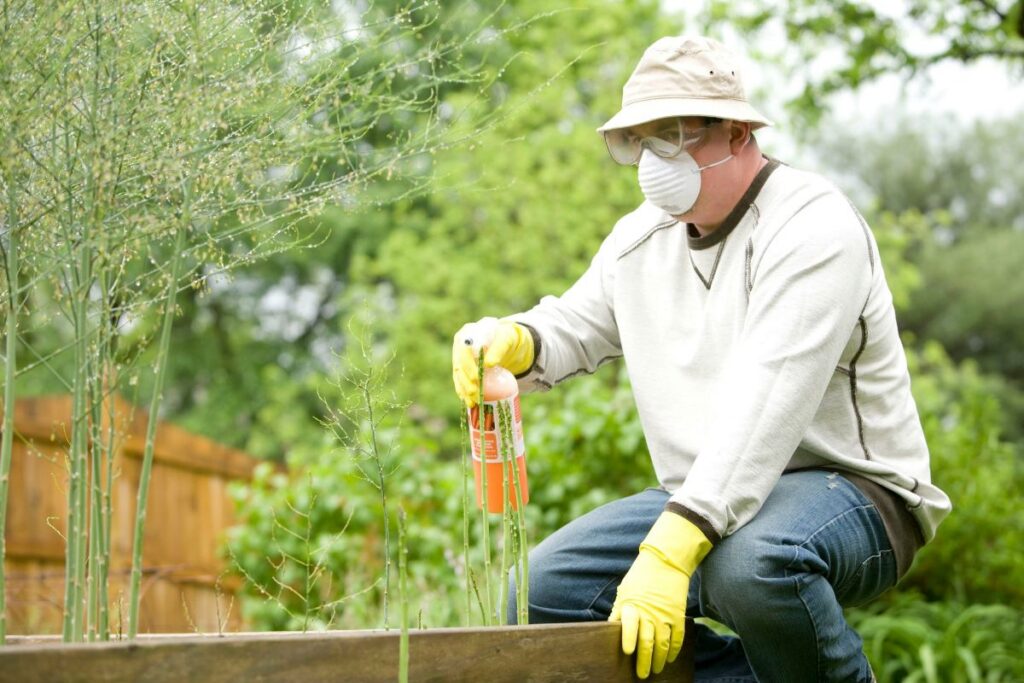
They follow label directions and industry practices to reduce exposure for occupants and non-target animals. They may ask for toys, pet bowls, and benches to be cleared before they start, and they often avoid treating food preparation surfaces directly.
They also consider ventilation, drying times, and where people and pets spend time. Afterward, they give re-entry guidance and cleaning advice because mopping the wrong areas too soon can remove residual protection and reduce the treatment’s effectiveness.
How long does a typical treatment take, and what affects it?
A general treatment can take anywhere from 30 minutes to a couple of hours. The timeline depends on property size, clutter levels, access to roof voids or subfloors, and how complex the infestation is.
Termite inspections and termite management can take longer because they involve detailed checks, sometimes moisture readings, and documentation. If exclusion work is included, the visit may extend further because sealing and proofing takes time and precision. For official guidance, you can review food safety pest control standards and prevention practices.
What instructions do they leave clients with after the visit?
They usually give practical steps that support the treatment. That might include storing food in sealed containers, reducing moisture, fixing leaks, trimming vegetation, and improving bin hygiene.
They also advise on cleaning: which areas to avoid mopping for a period, and which areas can be cleaned as normal. For bait-based treatments, they may ask clients not to spray over bait sites, because repellent aerosols can reduce bait uptake and slow colony control.
Why is follow-up sometimes needed in Sydney pest control?
Follow-up is common because many pests have life cycles that outlast a single visit. Cockroach oothecae, ant colonies, and rodents can require monitoring and adjustments, especially if entry points remain open or activity was heavy.
They may schedule a recheck to assess bait consumption, replace stations, or extend treatment to new hotspots. For termites, ongoing monitoring is standard because termite pressure in many Sydney areas can be persistent, and management is typically a long-term plan rather than a once-off event.
What does a “successful” treatment look like behind the scenes?
Success is not just fewer sightings the next day. A good outcome means activity trends down over days or weeks, breeding is interrupted, and access and attractants are reduced so pests do not rebound.
Behind the scenes, they judge results using evidence like reduced droppings, lower trap counts, bait uptake patterns, and fewer entry signs. The most reliable treatments combine targeted chemistry or trapping with education and prevention, so the home becomes harder for pests to live in.
More to Read : Residential Pest Control Sydney: Seasonal Strategies That Actually Work
FAQs (Frequently Asked Questions)
What initial steps do Sydney pest control services take before visiting a property?
Before arriving, Sydney pest control technicians usually conduct a short phone call or review an online booking form to understand the type of pest, location, and urgency. They confirm whether the issue involves cockroaches, rodents, ants, termites, spiders, bed bugs, or others. Additionally, they inquire about pets, young children, allergies, recent building works, and any prior DIY treatments to plan the safest and most effective approach.
How do pest control professionals inspect a Sydney home for pests?
Technicians thoroughly inspect properties by looking for signs of pest activity such as droppings, smear marks, nests, damage, tracks, shed skins, live sightings, moisture sources, and entry points. They focus on areas like kitchens, laundries, roof voids, subfloors, garages, gardens, fence lines, and plumbing penetrations. Special attention is given to warm and humid zones and gaps around doors, weep holes, vents, and service pipes where pests commonly enter in Sydney homes.
What factors influence the choice of treatment methods in Sydney pest control?
Treatment methods are selected based on the pest species identified, the level of infestation activity, and the environment. Options include gel baits, bait stations, dusts, residual sprays, traps, exclusion work or combinations thereof. Safety considerations are paramount; for instance, homes with pets or children may receive contained bait placements and targeted crack-and-crevice applications rather than broad sprays. Termite treatments vary between monitoring with baiting or installing barrier systems depending on site specifics.
Do Sydney pest control services treat entire houses or focus only on affected areas?
Treatment typically targets problem areas based on risk assessment and evidence rather than treating all square metres indiscriminately. If pests are localized to certain rooms or corridors adjacent to them, those zones receive focused treatment. However, many services also perform general perimeter treatments around door thresholds, garage edges and plumbing entry points to reduce new incursions from common external entry zones for spiders, ants and cockroaches.
What safety measures do technicians follow during a pest control treatment in Sydney homes?
Technicians adhere strictly to product label directions and industry best practices to minimise exposure risks for occupants and non-target animals. They may request removal of toys or pet bowls before starting and avoid direct application on food preparation surfaces. Ventilation considerations and drying times are managed carefully. After treatment completion they provide guidance on re-entry times and cleaning protocols since premature mopping can remove residual protection reducing effectiveness.
Why is follow-up important after an initial pest control treatment in Sydney?
Follow-up visits are common because many pests have life cycles that extend beyond a single treatment session. For example cockroach egg cases (oothecae), ant colonies and rodent populations require ongoing monitoring to assess bait consumption or trap success and adjust strategies accordingly. Entry points may need sealing over time. Termite management especially involves long-term monitoring due to persistent termite pressure in many Sydney regions rather than one-off treatments.