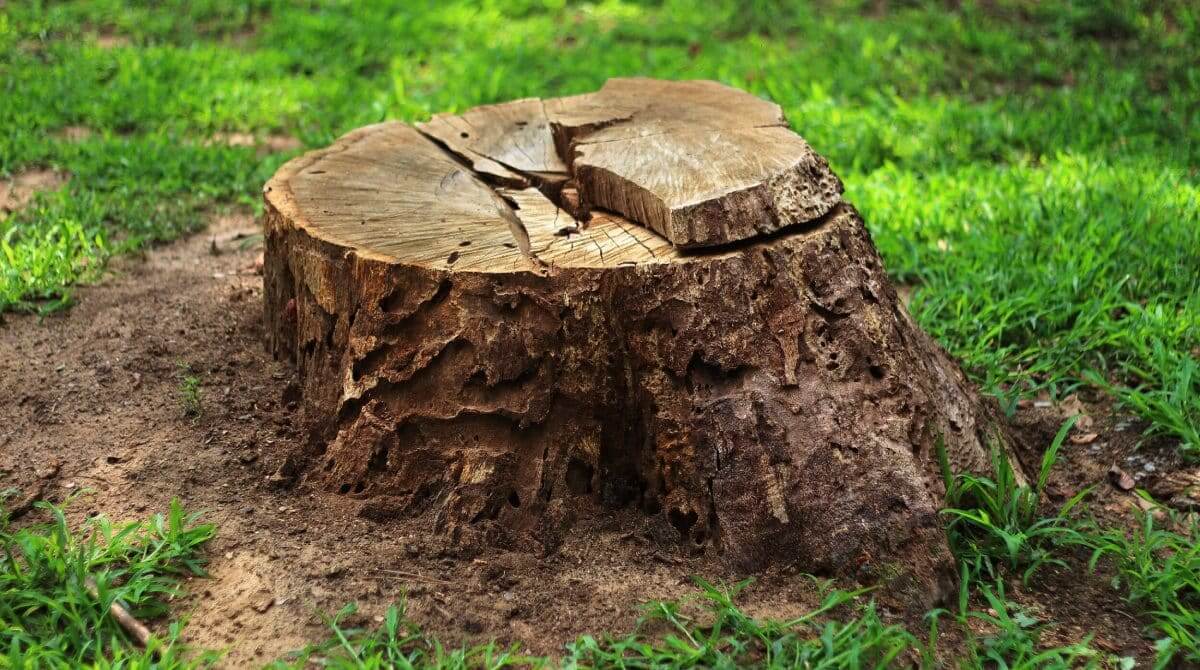
A tree stump can be a trip hazard, a mower killer, and a magnet for pests. The best removal method depends less on the stump itself and more on the site around it, including access, nearby structures, services, and how quickly the area needs to be reused.
Below are the most practical stump removal methods, matched to common site types.
What should they check before choosing a stump removal method?
They should first confirm what sits near the stump: buried utilities, drains, irrigation lines, foundations, patios, and garden lighting cables. They should also check access width for machines, soil type, and whether the stump is on a slope or close to a boundary.
If there is any chance of underground services, they should arrange a utility search and avoid digging until it is confirmed safe. It also helps to review a practical guide to estimating stump grinding costs before hiring so they have a clearer idea of likely pricing before bringing in a contractor.
Which method works best for small, easy-to-reach garden stumps?
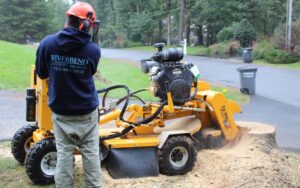
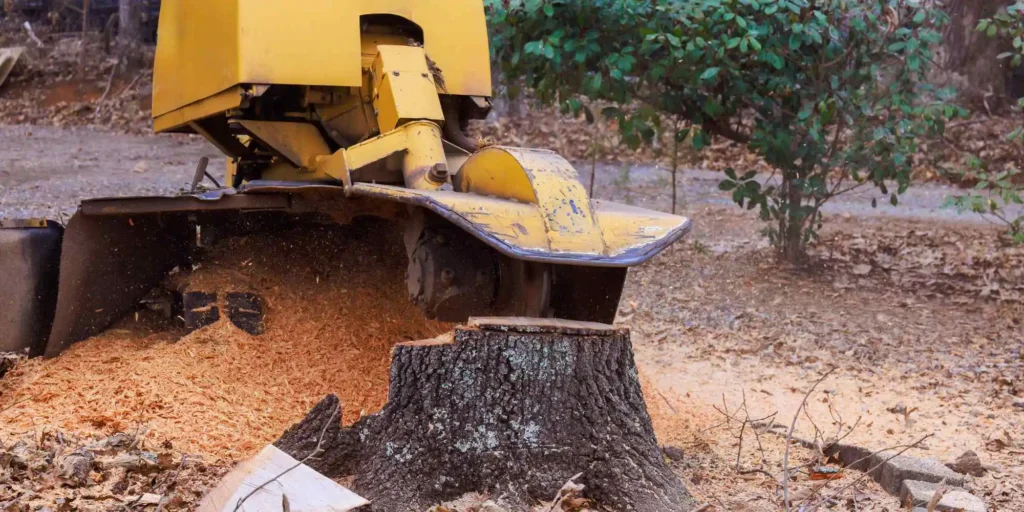
Stump grinding is usually the cleanest option for typical garden stumps with good access. A grinder removes the stump to below ground level, leaving wood chips that can be reused as mulch or removed.
It is fast, avoids large excavations, and suits most homeowners who want to re-turf or replant without major disruption.
What is the best approach for tight access sites like terraced houses and courtyards?
A narrow-access stump grinder or a pedestrian grinder is often best where gates, alleys, or steps limit entry. These machines fit through standard garden gates and can work close to walls with careful positioning.
Where even pedestrian access is difficult, chemical treatment or controlled hand removal may be the only realistic choices, although they take longer.
How should they remove stumps near patios, walls, and foundations?
Stump grinding is usually preferred near hardscaping because it avoids levering roots that can crack paving or disturb footings. Grinding can be targeted to reduce root flare while limiting ground movement.
They should avoid winching or digging out large root plates beside walls, as that can undermine compacted sub-bases and cause settlement later.
What method is safest when the stump is close to underground utilities?
If services are nearby, grinding is often safer than full excavation because it reduces deep digging. Even so, they should only proceed after services are located and marked, and the operator can set a conservative grinding depth.
If there is any uncertainty, a slower approach such as staged hand excavation with insulated tools may be safer than machinery. Click here if you want more information on essential tools and machinary safty.
Which method is best for stumps on slopes or unstable ground?
On slopes, stump grinding is commonly the most controlled option because it avoids removing a large volume of soil that helps hold the bank together. Operators can also work from a stable position and limit how much material is disturbed.
Digging out a stump on a bank can destabilise the slope, especially after heavy rain, so they should plan for retaining, backfill, and compaction if excavation is unavoidable.
What should they use for open sites where machines can easily access the stump?
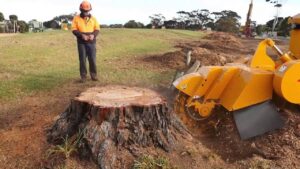
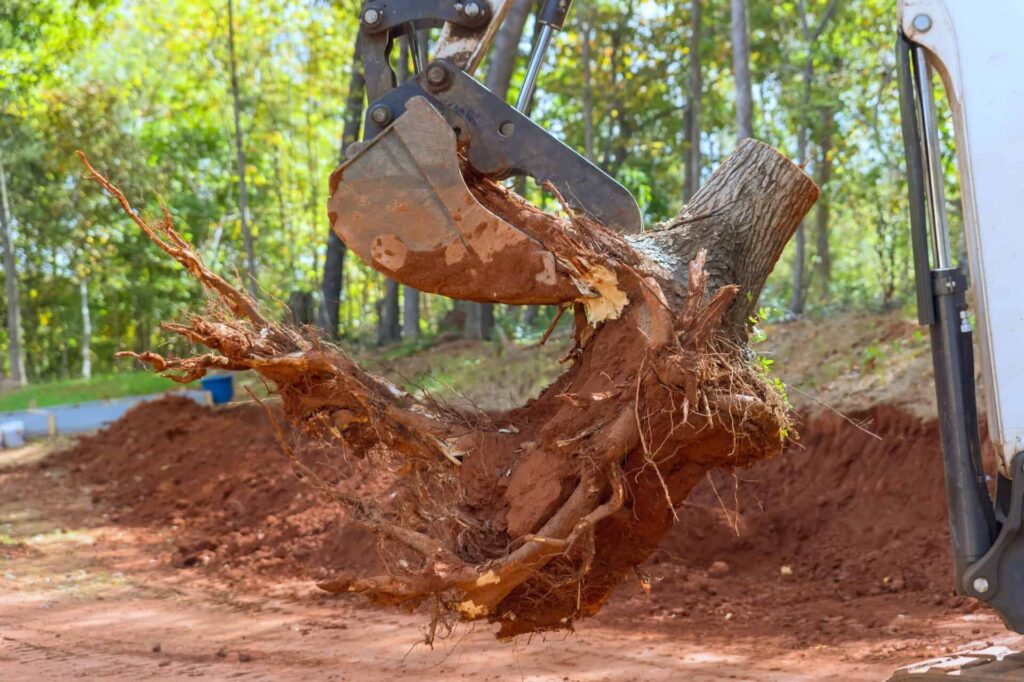
On open ground, they can choose between grinding and full extraction depending on future plans. Grinding is ideal when they want minimal disruption and quick reinstatement. Full extraction with an excavator can be efficient when the site will be regraded, built on, or trenched anyway.
If they need the ground completely clear for construction, extraction can remove larger roots that grinding may leave in place.
Is burning a stump a good idea for any site?
Burning is rarely the best option and may be restricted by local regulations, fire risk, and smoke nuisance. It can also damage nearby plants, scorch lawns, and create hidden voids that later collapse. Learn more about tree stummp removal and protection.
Even where allowed, it is slow and unpredictable, so most sites are better served by grinding, extraction, or treatment.
When is chemical stump removal the most practical choice?
Chemical treatment can suit low-urgency sites where access is impossible, budgets are tight, or disturbance must be minimal. They drill holes into the stump, apply a stump killer product, and wait for the wood to break down so it can be chopped out later.
It is not a quick fix, so it suits stumps in non-essential corners rather than areas that need immediate use.
What about manual stump removal, and when does it make sense?
Manual removal can work for small stumps, shallow-rooted species, or sites where machines would cause damage. It typically involves cutting, digging around the root collar, severing major roots, and levering the stump out.
It is labour-intensive, so it is best when the stump is small and access is awkward, or where careful handwork is needed near fragile features.
How should they choose a method if they want to replant in the same spot?
If they want to replant immediately, full extraction or deeper grinding is usually better because it reduces leftover woody material that can sink as it decays. Grinding to a standard depth may be enough for turf, but less ideal for a new tree in the same hole.
They should also plan to replace grindings with fresh topsoil, as wood chips can temporarily tie up nitrogen.
What is the best option if they plan to pave, build, or lay a driveway?
For hard surfaces, they typically need a stable, well-compacted base. Grinding can work if it is deep enough and the grindings are removed and replaced with suitable sub-base material.
If the stump is large and the area will be excavated anyway, full extraction can be more straightforward, provided the ground is properly backfilled and compacted in layers.
What should they do with the waste after stump removal?
Grinding produces a lot of chips, and these are not the same as clean woodchip mulch because they include soil and fine particles. They can use some as mulch in borders, but they should not rely on it as structural fill under paving.
For a neat finish, they should remove excess grindings, backfill with topsoil, and compact appropriately depending on whether the area will be lawn, planting, or hardstanding.
How can they decide quickly which method fits their site?
They should match the method to access, urgency, and risk. Grinding suits most domestic gardens and sites near structures. Extraction suits open sites or construction zones where deeper roots must go. Chemicals suit inaccessible or low-priority areas where time is available.
If there are nearby utilities, boundaries, or foundations, they should prioritise a method that limits ground disturbance and uses a competent, insured operator.
FAQs (Frequently Asked Questions)
What factors should be checked before choosing a stump removal method?
Before selecting a stump removal method, they should confirm what lies near the stump such as buried utilities, drains, irrigation lines, foundations, patios, and garden lighting cables. They must also assess access width for machinery, soil type, slope presence, and proximity to boundaries. If underground services are suspected, arranging a utility search and avoiding digging until safety is confirmed is essential.
Which stump removal method is best for small garden stumps with good access?
Stump grinding is usually the cleanest and most efficient option for small garden stumps with easy access. It removes the stump below ground level, leaving wood chips that can be reused as mulch or removed. This method is fast, minimises disruption, and suits homeowners wanting to re-turf or replant quickly.
How should stumps near patios, walls, or foundations be removed safely?
Stump grinding is preferred near hardscaping like patios and foundations because it avoids levering roots that could crack paving or disturb footings. Grinding targets root flare reduction while limiting ground movement. Avoid winching or digging out large root plates beside walls to prevent undermining sub-bases and future settlement.
What is the safest stump removal method when underground utilities are nearby?
Grinding is often safer near underground services since it reduces deep digging risks. However, services must be located and marked before proceeding. Operators should set conservative grinding depths. If uncertainty remains, staged hand excavation using insulated tools is a safer alternative than machinery.
When is chemical stump removal the most practical choice?
Chemical treatment suits sites where access is impossible, budgets are limited, disturbance must be minimal, and urgency is low. It involves drilling holes into the stump, applying a stump killer product, then waiting for decomposition before chopping out the wood. This method is slow and best for non-essential areas not requiring immediate reuse.
How can one choose the most appropriate stump removal method quickly?
Choosing a method depends on site access, urgency of area reuse, and risk factors. Grinding suits most domestic gardens and sites near structures due to minimal disturbance. Full extraction works well on open sites or construction zones needing complete root removal. Chemical treatment fits inaccessible or low-priority areas where time allows gradual decay. Prioritise methods limiting ground disturbance when utilities or boundaries are nearby and use competent operators.