Searching for tree loppers near me usually means something on your property needs attention now. A branch may be rubbing against the roof, a large tree may be blocking light, storm damage may have left hanging limbs, or roots may be lifting a path. Whatever the trigger, choosing the first person who answers the phone is a poor strategy. Tree work involves height, chainsaws, heavy timber, falling objects and sometimes power lines. The right local crew will make the job safer, clearer and often cheaper in the long run.
This guide explains how to compare tree loppers in Sydney, what work you should actually request, when council approval may apply, how quotes are calculated and what questions separate a professional arboricultural business from an uninsured operator with a ladder and a chainsaw.
What Do Tree Loppers Actually Do?
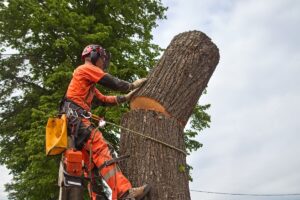
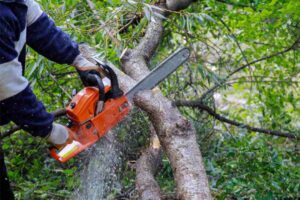
The phrase tree loppers near me is widely used by homeowners, but it can describe several different services. Light work may involve removing dead branches or lifting a canopy above a driveway. More substantial work may include crown thinning, crown reduction, sectional dismantling or complete tree removal. Stump grinding and green waste removal are usually separate line items.
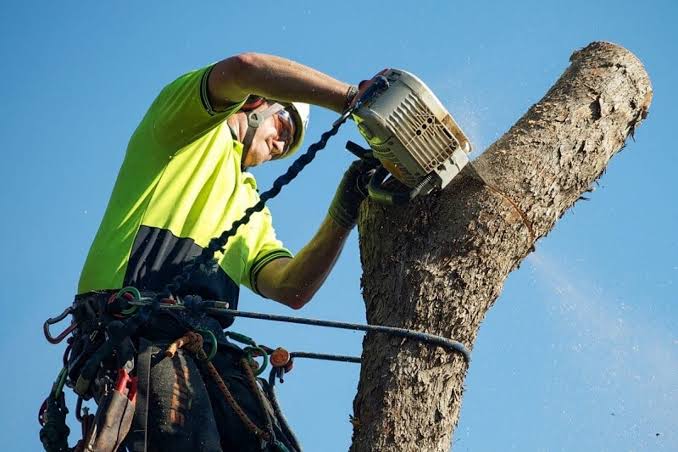
A reputable contractor will translate your concern into a specific work method. If you say that a tree is too big, they should inspect it and explain whether reduction, deadwooding, clearance pruning or removal is appropriate. If you say that the tree is dangerous, they should identify the actual defect rather than simply agreeing because removal is more profitable.
Modern arboriculture generally avoids indiscriminate topping. Topping cuts branches back to stubs and often produces weak, fast-growing shoots. It also creates large wounds that may decay and allows sunlight to scorch previously shaded branches. Good reduction pruning cuts back to suitable lateral branches while preserving the tree’s natural structure.
Why Sydney Properties Need Careful Planning
Sydney tree work is rarely performed in an empty paddock. In suburbs such as Marrickville, Newtown, Balmain, Chatswood, Parramatta and Castle Hill, trees commonly stand beside roofs, pools, fences, retaining walls, cars and neighbouring homes. North Shore blocks may have steep sandstone slopes and narrow side access. Inner West terraces may provide only a small gate and a courtyard. Western Sydney acreage may offer more room, but native vegetation and bushfire rules can become more important.
These conditions affect the method. An open tree may be felled directionally if the drop zone is large enough. A tree over a roof usually needs sectional dismantling, with branches cut from the top and lowered by rope. A narrow accessway may require a compact chipper or hand-carrying. A job beside an overhead conductor needs additional electrical planning and may require authorised specialists.
When contacting tree loppers near me, provide photographs from the street, the base and the surrounding yard. Include the approximate height, access width, proximity to buildings and whether the tree is near power lines. Photos do not replace an inspection, but they help the contractor understand the likely complexity.
Council Approval Comes Before Cutting
Many Sydney councils protect trees on private property. Requirements vary by local government area, species, trunk size, height, heritage status and the amount of pruning proposed. Before booking work, read the NSW Government guidance on removing trees from private property, then check the current rules published by your council.
The City of Sydney, Inner West Council, Ku-ring-gai Council and The Hills Shire do not necessarily use identical thresholds. A tree that is exempt in one suburb may need a permit or report in another. Some councils allow limited pruning without approval, while larger canopy reductions require consent. Development applications, heritage listings, bushland interfaces and trees near protected areas can add further requirements.
A competent contractor asks about approval before recommending work. If a tree is dead or immediately dangerous, take clear photographs and keep written arborist advice. Do not rely on a casual verbal claim that everything is exempt. Unauthorised removal can create fines, replacement requirements and problems when you sell the property.
Questions to Ask Before Hiring a Crew
Start with insurance. Ask for a current public liability certificate and confirm that the business name on the document matches the quote. Workers compensation cover matters where employees or subcontractors are involved. Ask who will climb, who will operate the chipper and whether the person preparing a council report has the right qualification and experience.
Next, ask about the method. Will the tree be climbed, dismantled, felled or accessed with an elevated work platform? How will limbs be controlled? Where will the exclusion zone sit? What happens if the crew discovers internal decay or a hidden service? A professional answer does not need to be full of jargon, but it should demonstrate that the contractor has considered the site rather than guessed from a photo.
Confirm the scope in writing. The quote should state which trees are included, the type of pruning or removal, whether branches will be chipped, whether logs will be taken away, whether the site will be raked and whether stump grinding is included. Ask where the green waste goes. The NSW EPA information about garden-organics disposal explains why waste must be transported to a lawful facility.
How Much Does the Work Cost?
Small pruning jobs in Sydney may cost about $250 to $700. Medium trees requiring climbing, deadwooding or crown work commonly range from $700 to $2,000. Large trees near buildings, power lines or steep access can cost several thousand dollars. Complex removals involving cranes, traffic control or extensive rigging may exceed $10,000.
The biggest price drivers are not simply tree height. Access often matters more. A chipper beside a driveway saves hours compared with carrying branches through a house. Proximity to targets determines whether timber can be dropped or must be lowered. Dense hardwoods take longer to cut and produce heavier logs. Disposal volume, stump treatment, road permits and after-hours work also affect the total.
Treat extremely cheap quotes carefully. A low price may exclude disposal, stump grinding, insurance, council applications or final clean-up. It may also indicate unsafe work practices. Request two or three written quotes with the same brief so you compare like with like.
Safety Standards You Should Expect
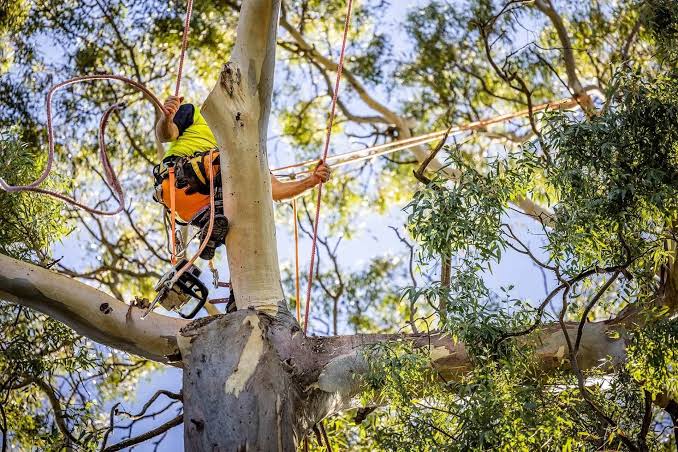
Tree work includes falls from height, falling limbs, chainsaw injuries, chipper hazards, traffic risks and contact with electrical infrastructure. The crew should establish an exclusion zone and prevent people from walking beneath active cutting. Climbers need appropriate equipment and backup systems. Ground workers need helmets, eye and hearing protection and safe communication with the climber.
The national Safe Work Australia guide to managing tree-work risks covers pruning, lopping, removal, wood chipping, stump grinding and root pruning. You do not need to supervise the crew like a safety inspector, but you should recognise the basics. A worker in thongs, a ladder with a chainsaw or a crew that allows children into the drop zone is not a bargain. It is a liability.
What Happens to the Timber?
Responsible tree loppers treat the material as a resource. Smaller branches can become arborist chip for garden beds or pathways. Suitable hardwood rounds may be split and seasoned as firewood. Remaining organics should go to a licensed processing facility where they can become mulch or compost.
Ask whether you can keep clean chip or timber. Leaving useful material on site can reduce disposal costs, but chip should not be piled against trunks, walls or termite barriers. If you plan to plant a replacement tree, remove excessive stump grindings because decomposing wood can temporarily compete for nitrogen.
Urban trees also provide shade, habitat and cooling. Research and teaching from the University of Melbourne’s arboriculture program illustrate the technical knowledge involved in managing trees responsibly. Removal may be necessary, but it should not be the automatic answer when targeted pruning can manage the risk.
Red Flags to Avoid
Avoid anyone who demands full payment before inspecting the site, refuses to provide insurance, will not issue a written quote or insists that council approval is never needed. Be cautious of door-knocking after storms, cash-only pricing, “today only” pressure and recommendations to top every tree. A contractor who cannot explain where the timber will go is also a poor choice.