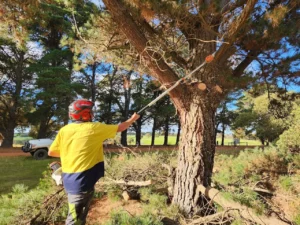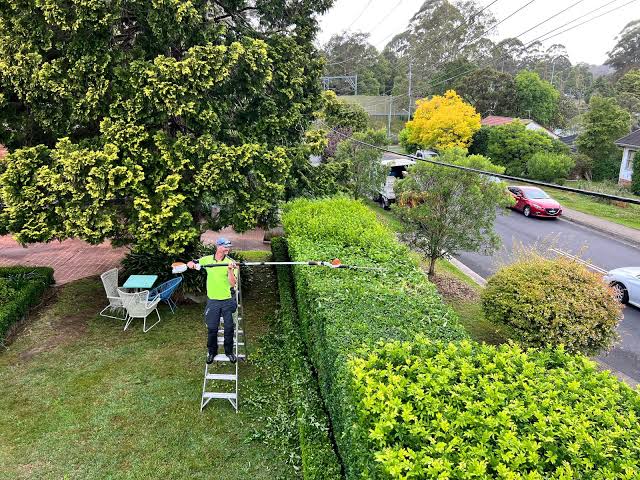
The phrase tree trimming near me is common, but trimming is not one standard task. A contractor may be asked to lift a canopy above a driveway, remove dead branches, clear a roof, reduce wind exposure or shorten a tree that has outgrown its garden. Each objective needs a different pruning method, and a generic “trim” can lead to unnecessary cuts or a poor result.
Sydney trees grow in a wide range of settings. Coastal wind affects exposed properties, sandstone slopes create difficult access, and suburban blocks place mature trees close to roofs, pools and power lines. The right local crew should assess both the tree and the property before cutting.
What Trimming Should Achieve
Crown lifting removes lower branches to create clearance for vehicles, paths and lawns. Deadwooding removes branches that have died or become structurally weak. Crown thinning selectively reduces density while preserving the overall size and silhouette. Crown reduction shortens the canopy through cuts to suitable laterals. Formative pruning shapes young trees before large structural defects develop.
Clearance pruning may be needed where branches rub against tiles, gutters, solar panels or walls. It should create practical separation without stripping the tree. If branches are near electrical infrastructure, use a contractor with the right capability and never allow casual cutting near conductors.
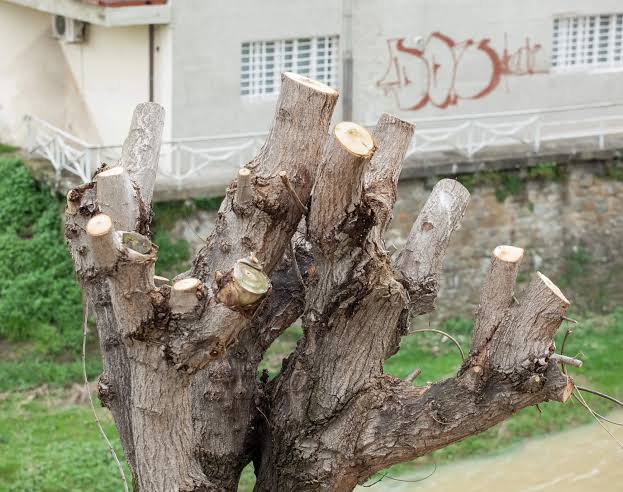
When contacting tree trimming near me businesses, explain the problem and desired clearance. Do not ask for the tree to be “cut in half” unless a qualified arborist has already recommended that approach. Topping creates large wounds and weak regrowth, and it often makes future maintenance more expensive.
Timing Around Sydney Weather
There is no single pruning month for every species. The best timing depends on tree health, flowering, growth habit, recent weather and the purpose of the work. Light deadwood removal may be needed whenever a hazard appears. Structural pruning is often easier to schedule in cooler periods, while heatwaves are a poor time for aggressive canopy reduction on a stressed tree.
After storms, inspect from the ground for hanging branches, cracks, broken limbs and soil movement. Do not climb a damaged tree or cut a limb under tension. Emergency work should begin with isolation and make-safe actions, followed by a planned clean-up when the site is stable.
Young trees benefit from regular, small formative cuts. Mature trees usually need less frequent, targeted work. A tree that is repeatedly cut hard is not being maintained well; it is being forced into a cycle of weak regrowth.
Council Approval
Sydney council rules vary. Some limited pruning may be exempt, while removal or substantial canopy work may require consent. Heritage trees, significant trees, trees near development and vegetation near bushland can have extra controls. Start with the NSW Government guidance for removing trees on private property, then confirm the current requirements for your council.
If you are in the City of Sydney, read the council’s pruning and removal application information. Residents elsewhere should not assume the City of Sydney rules apply to them. Keep photos and written advice if a dead or dangerous-tree exemption is used.
A good contractor raises approval before quoting. If a business says no permit is ever needed, treat that as a warning sign.
How to Compare Tree Trimming Quotes
A quote should identify the tree, type of pruning, estimated amount of canopy removed, access assumptions and clean-up. It should say whether branches will be chipped, logs removed, mulch left, waste transported and the area raked. Stump grinding is normally separate.
Ask if the crew will climb, use an elevated platform or work from the ground. Confirm who is responsible for traffic control if a footpath or road is affected. Request current public liability insurance and workers compensation details. The Safe Work Australia guide to tree-work risks covers trimming, pruning, lopping, chipping and related hazards.
Do not compare a quote for pruning with one that includes removal of all timber and a full site clean. Give each contractor the same brief and compare inclusions line by line.
Sydney Price Guide
Small ground-level trimming may cost $200 to $500. Medium tree work commonly ranges from $500 to $1,800. Larger crown reductions or clearance jobs may cost $1,200 to $4,000. Narrow access, dense hardwood, power lines, rigging, traffic control and disposal can increase the total.
The phrase tree trimming near me does not mean the closest operator is the cheapest. Local travel may reduce mobilisation, but experience and equipment matter more on a difficult job. A crew that can safely control branches near a roof may prevent thousands of dollars in damage.
Avoiding Bad Pruning
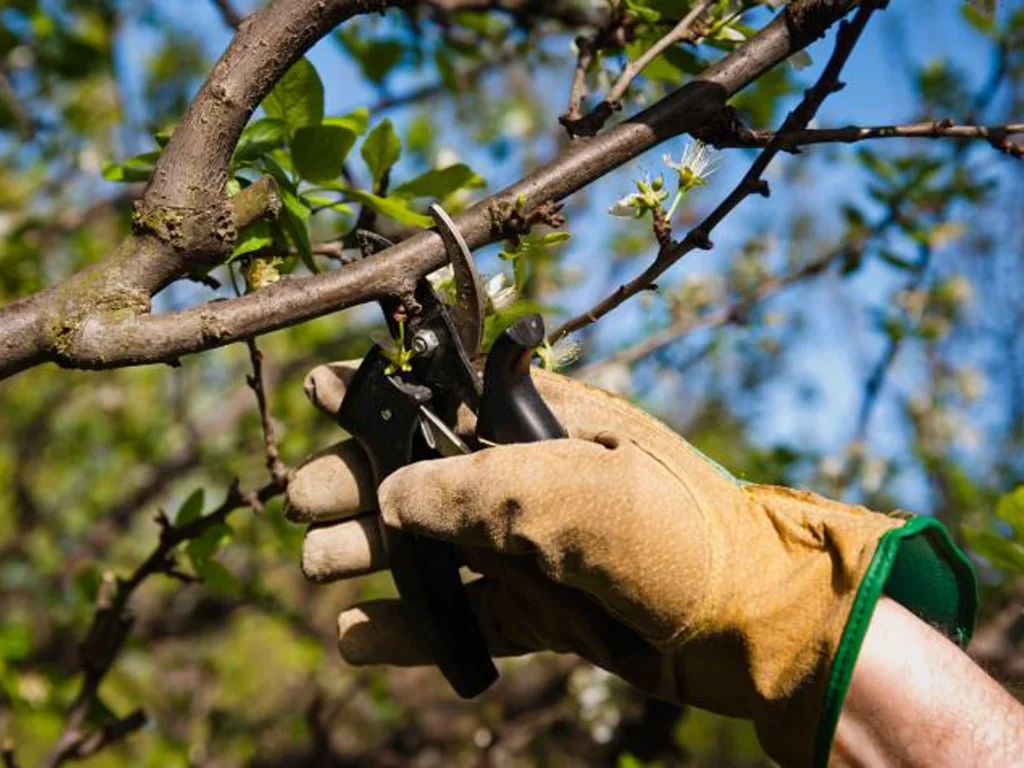
Never accept a recommendation to remove large limbs without asking why. Correct cuts respect the branch collar and preserve a suitable lateral. Flush cuts damage the protective tissue at the trunk, while long stubs create dead wood that can decay. Excessive thinning can also expose inner branches to sun and wind.
A good contractor should be willing to mark or explain the major cuts. They should discuss the expected regrowth and how often the work may need repeating. If the proposed work will remove a very large percentage of the canopy, ask for an independent arborist opinion.
The University of Melbourne arboriculture program shows how much technical knowledge sits behind professional tree management. Tree work is not merely cosmetic garden shaping.
Waste and Mulch
Clean branch chip can often remain on site as surface mulch. Spread it around beds but keep it away from trunks, walls and termite barriers. Do not mix a thick layer of fresh chip into planting soil because decomposition can temporarily compete for nitrogen. Suitable hardwood rounds can be kept for firewood.
If waste leaves the property, ask where it goes. The NSW EPA garden-organics disposal guidance explains why lawful transport matters. A reputable operator can name the type of facility receiving the material.
Red Flags
Avoid contractors who quote without seeing the property, recommend topping every tree, refuse to provide insurance, work from unsafe ladders or leave branches scattered after claiming clean-up is included. Be cautious with cash-only pricing and immediate-start pressure.