People searching for tree cutting services near me often know the result they want but not the correct arboricultural method. They may want a tree shorter, a branch removed, a driveway cleared or an entire tree taken down. Those are not the same job. The right approach protects the tree when possible and protects people and property when removal is necessary.
Sydney’s mix of narrow residential blocks, mature eucalypts, sandstone slopes, overhead lines and neighbouring buildings makes tree cutting skilled work. A professional contractor will assess the site before recommending a cut.
Cutting, Pruning and Removal Are Different
Pruning removes selected branches to achieve a defined goal. Crown lifting improves clearance above paths and driveways. Crown thinning reduces density without changing the tree’s overall shape. Crown reduction shortens the canopy through cuts to suitable lateral branches. Deadwooding removes branches that have died or become unsafe.
Removal is different. It takes down the whole tree, usually because a defect cannot be managed, the tree is in a building footprint or storm damage has made it unstable. A mature tree beside a roof will usually be dismantled in sections, with limbs lowered by rope.
Topping is not a safe shortcut. It cuts major limbs back to stubs, creating large wounds and weak regrowth. When contacting tree cutting services near me, ask the contractor to use proper reduction cuts and explain where they will finish.
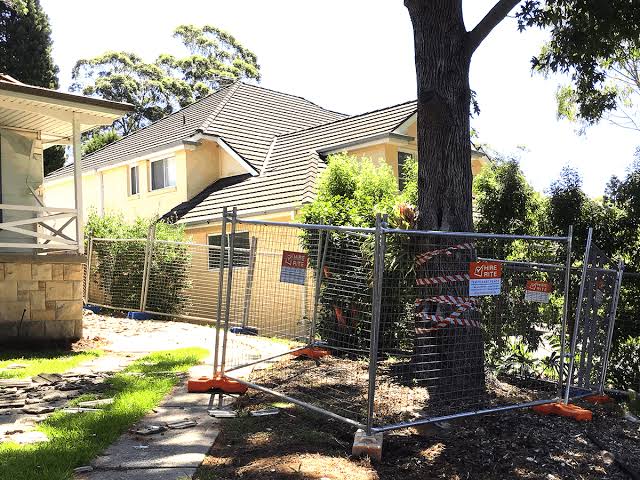
What an Initial Inspection Should Cover
The contractor should inspect the tree from the ground and consider species, height, crown balance, trunk condition, branch unions, cavities, root-zone disturbance and recent storm damage. They should also identify targets such as roofs, pools, fences, vehicles, footpaths and play areas.
Access is important. Can a chipper reach the tree? Is there room to lower limbs? Will a fence panel need temporary removal? Is the ground stable enough for equipment? Are there overhead electrical conductors or underground services near the work area? These questions affect method, time and price.
Send photos before the inspection, but do not accept a final price for complex work based solely on a street view. Hidden defects and access problems are common.
Council Permission in Sydney
Tree protection rules are set locally, so approval varies between councils. A permitted pruning amount in one area may not be permitted in another. Heritage properties, significant trees, bushland interfaces and development sites can have extra controls. Begin with the Service NSW tree-removal referral, then check the current information for your council.
The City of Sydney, for example, publishes advice about applying to prune or remove a tree and identifies exemptions that depend on urgency, species and the amount of work. Keep photographs when relying on a dead or dangerous-tree exemption. A contractor should raise this issue before starting, not after the chainsaw is running.
Safe Work on the Property
Tree cutting involves falling objects, chainsaw kickback, falls, chipper hazards and potential contact with power infrastructure. A safe crew establishes a clear exclusion zone and ensures nobody walks beneath active cutting. Ground workers communicate with the climber, keep the chipper area controlled and use appropriate protective equipment.
The Safe Work Australia guide to managing tree-work risks covers lopping, pruning, trimming, removal, chipping, stump grinding and root pruning. Customers should expect helmets, eye protection, hearing protection, safe climbing systems and controlled lowering where targets are nearby.
Never allow a worker to use a casual ladder-and-chainsaw setup for a large branch. Never ask an unqualified crew to work near power lines. If a tree is touching electrical infrastructure, stay clear and contact the network provider.
What Quotes Usually Include
A useful quote identifies each tree and says exactly what will be cut. It should state whether the work is crown lifting, thinning, reduction, deadwooding or removal. It should also cover access assumptions, equipment, chipping, log removal, raking, blowing down and organics disposal.
Stump grinding is usually a separate service because it uses different machinery. Ask whether the standard grind is 150 to 200mm below grade or whether you need a deeper grind for paving, a deck or a replacement tree. Confirm whether the grindings remain on site or are removed.
Other potential extras include traffic control, road permits, crane hire, elevated work platforms, fence removal and turf repair. Get these exclusions in writing before you compare prices.
Sydney Price Expectations
Small ground-level pruning may cost $200 to $600. A medium tree requiring climbing often costs $600 to $1,800. Larger crown work can range from $1,200 to $4,000. Small clear-access removals may start around $400, while complex removals over buildings can exceed $8,000.
The cost of tree cutting services near me depends on height, wood density, access, proximity to targets, equipment, disposal volume and urgency. Dense ironbark takes longer to cut than a light softwood. A tree beside a glass roof needs controlled rigging. A rear-yard tree reached only through a narrow house passage requires more labour.
The cheapest quote can be risky if it excludes waste or uses uninsured labour. Ask for current public liability cover and compare the same scope with at least two contractors.
Choosing an Operator
Ask who will actually perform the work and whether the business uses employees or subcontractors. Request the company name on the insurance certificate and a written start-to-finish scope. Read reviews for comments about clean-up, communication and respect for property, not only speed.
A contractor should be comfortable recommending retention where pruning can manage the concern. The University of Melbourne’s Graduate Certificate in Arboriculture reflects the specialist knowledge behind modern tree assessment and management.
Waste, Mulch and Replacement Planting
Clean branches can be chipped on site and left as a surface mulch. Keep mulch away from trunks, walls and termite barriers. Suitable hardwood rounds can be seasoned for firewood. Material that leaves the property should be taken to a facility authorised to receive garden organics. The NSW EPA garden-organics guidance provides useful disposal context.
If removal is necessary, plan a replacement suited to the site. Consider mature height, root behaviour, clearance from buildings and available soil volume. The goal is not to create another emergency in fifteen years.
Questions to Ask Before Booking
Ask what the crew will do if hidden decay is found, whether weather can postpone the job, how the property will be protected and whether payment is due before or after completion. Confirm who is responsible for council permission. Ask for a written variation process if the method changes.