A tree stump can look harmless, but it often becomes a trip hazard, a mowing nuisance, and a magnet for pests. Stump grinding is the most common way Sydney homeowners remove stumps without digging up the entire root system.
This guide explains how stump grinding Sydney works, what a typical job looks like, and what they should prepare for on the day.
What is stump grinding, and why do they choose it?
Stump grinding is a process where a specialist machine chips away the stump into small wood fragments below ground level. They choose it because it is fast, tidy, and usually less disruptive than full stump removal.
In most suburban Sydney blocks, grinding is practical because it avoids large excavation, reduces damage to lawns, and removes the visible stump so the area can be used again. Leran more about what are the best methods for stump removal on different sites.
How does stump grinding work step by step?
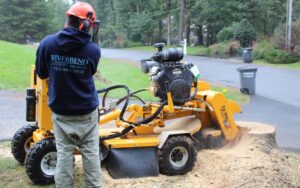
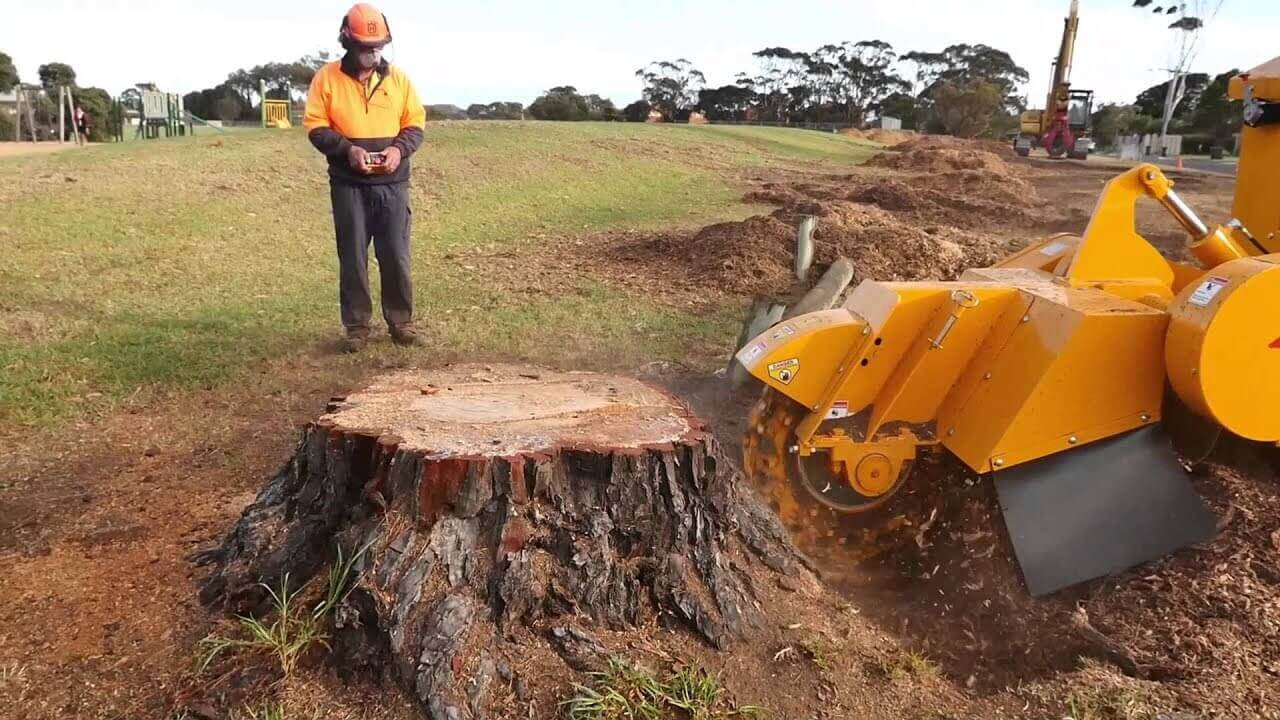
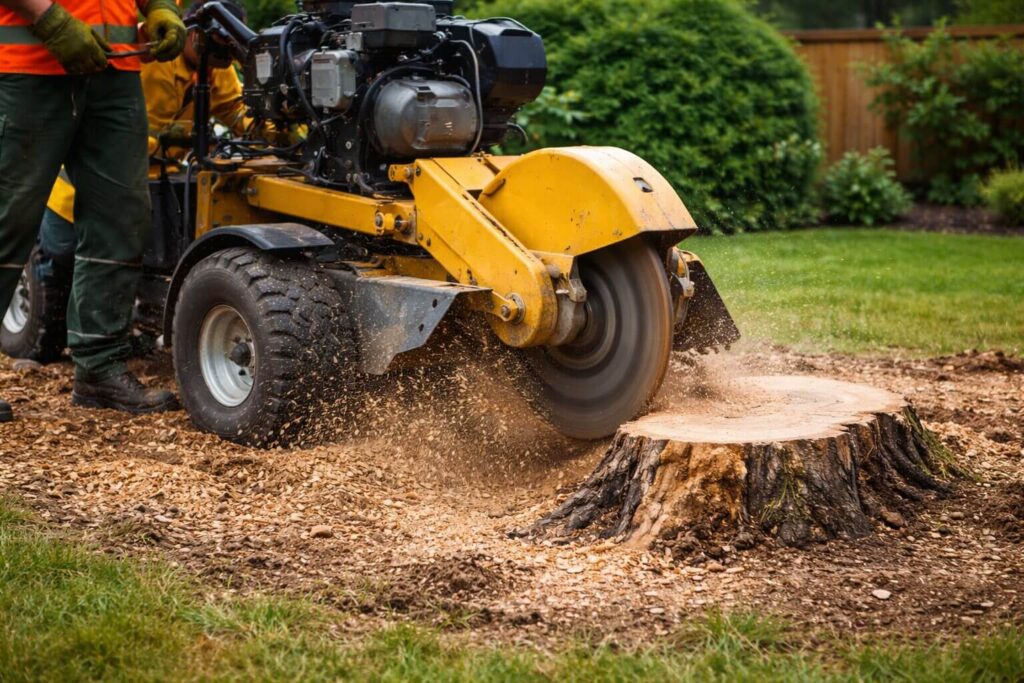
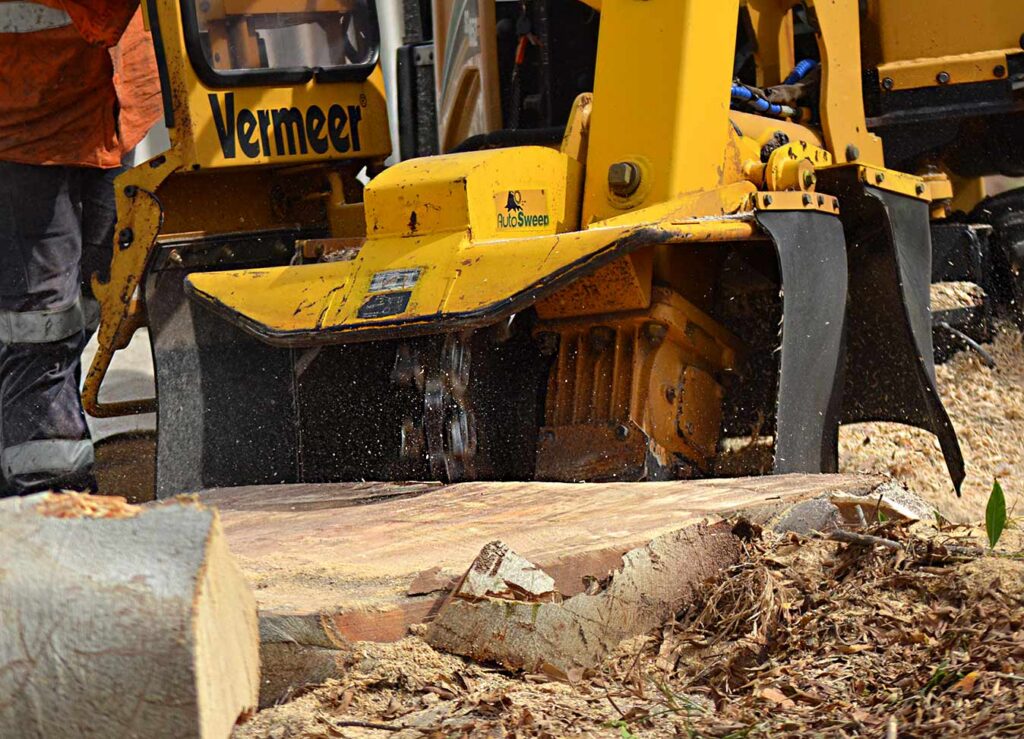
The grinder uses a rotating cutting wheel with teeth that gradually reduces the stump to mulch-like chips. They typically grind the stump down to a set depth, then clear the area and level it.
A standard job often follows this sequence: assess access and services, set up safe working space, grind in passes, manage chips, backfill or level, then clean up. The actual grinding is usually the quickest part once the machine is in place.
What happens before the grinder arrives?
They should expect a quick assessment first, either on-site or via photos, to confirm stump size, location, access width, and obstacles. The operator will also consider nearby structures, retaining walls, fences, and garden beds.
If there are underground services nearby, the job may require extra caution or a service location check. Good operators will ask where irrigation lines, drainage, or cables might run, especially in landscaped areas.
How deep will they grind the stump?
Most stump grinding in Sydney is done to around 150–300 mm below ground, depending on the intended use of the area. They grind deeper if the spot will be replanted, turfed, or paved.
If they want to plant another tree in the same location, deeper grinding helps, but it still does not remove every root. In those cases, operators may recommend shifting the new planting position slightly to avoid old roots.
Will stump grinding remove the roots as well?
Stump grinding removes the stump and some of the upper root flare, but it does not extract the full root system. They usually leave major roots in the soil to decay naturally over time.
That is normal and often preferred because removing roots can mean heavy excavation and more disturbance. If they need the ground completely clear for construction, they may need excavation instead of, or in addition to, grinding.
What should they expect on the day of the job?
They should expect noise, flying chips within the work zone, and a brief period where access to the area is restricted. Operators typically set up barriers and use PPE, then position the grinder for controlled cutting.
Most residential stumps are completed within one to three hours, but awkward access, multiple stumps, or very large hardwood stumps can take longer. If the stump is close to fences or walls, they may grind more slowly to avoid damage. Click here to learn also about council rules and safety standards for land clearing.
What happens to the woodchips after grinding?
Grinding produces a pile of woodchips mixed with soil, and they can either keep it onsite or have it removed. Many clients reuse chips as mulch, but fresh stump grindings can draw nitrogen from the soil as they break down.
If they plan to turf or plant immediately, operators often recommend removing some chips and backfilling with fresh soil. For garden beds, using the chips as a top layer is usually fine, especially if they add compost or soil conditioner.
How much does stump grinding in Sydney usually cost?
Pricing usually depends on stump diameter, timber hardness, access, and whether there are multiple stumps. As a rough rule, small stumps cost less, while large hardwood stumps or tight-access jobs cost more.
They should ask whether the quote includes travel, minimum call-out fees, grinding depth, chip removal, and any extra charges for difficult access. Photos with a tape measure beside the stump often help them get an accurate quote upfront.
Is stump grinding safe near fences, walls, and underground services?
It can be safe, but it requires experience and careful technique. Operators can grind close to structures, yet they may leave a small margin if there is a risk of damaging footings, pavers, or retaining walls.
Underground services are the bigger concern. If they suspect pipes, wiring, or irrigation lines near the stump, they should flag it before work starts. A careful operator will adjust depth and approach, and may recommend locating services first.
What preparation should they do before the appointment?
They should clear the area around the stump, remove pot plants, outdoor furniture, and any loose stones, and ensure pets and children stay well away. If access is through a side gate, they should unlock it and confirm the width.
It helps to mark sprinklers, irrigation lines, or drainage points if they know where they run. If there is a parked car close by, moving it reduces the chance of chips landing where they do not want them.
What can they do with the area afterwards?
They can usually re-turf, mulch, plant, or pave depending on the grind depth and how the site is finished. If they want lawn, removing excess chips and adding clean topsoil gives the best result.
If they plan to plant, they should expect some settling as old roots decay. Many people top up soil after a few months. For paving, they may need proper base preparation, as woodchip-heavy fill can compress over time.
How do they choose a stump grinding service in Sydney?
They should choose a provider that is insured, experienced with Sydney tree species, and clear about what is included in the quote. A good sign is when they ask the right questions about access, services, and the final use of the area.
They should also look for straightforward expectations: grinding depth, chip handling, clean-up, and whether they can grind below surface level for turf or paving. Clear communication usually matters more than the cheapest price.
What should they ask for in a quote?
They should ask for the grind depth, whether all visible stump wood will be removed, and what happens to the chips. They should also confirm if there are extra fees for tight access, multiple stumps, or weekend work.
If they need the area ready for turf or paving, they should ask whether the operator will backfill and level, or whether they should arrange soil delivery themselves. That single detail often determines whether the finish looks “done” or half-finished.
FAQs (Frequently Asked Questions)
What is stump grinding and why is it preferred by Sydney homeowners?
Stump grinding is a process where a specialist machine chips away the tree stump into small wood fragments below ground level. Sydney homeowners prefer it because it is fast, tidy, less disruptive than full stump removal, avoids large excavation, reduces damage to lawns, and removes the visible stump so the area can be reused.
How deep does stump grinding typically go in Sydney and does it remove all roots?
Most stump grinding in Sydney is done to around 150–300 mm below ground level depending on the intended use of the area. While stump grinding removes the stump and some upper root flare, it does not extract the full root system. Major roots are usually left to decay naturally over time unless complete root removal is needed for construction.
What should I expect on the day of my stump grinding appointment?
You should expect noise and flying wood chips within the work zone, with a brief period where access to the area is restricted. Operators will set up barriers, use personal protective equipment (PPE), position the grinder carefully, and complete most residential stumps within one to three hours. Grinding near fences or walls may take longer to avoid damage.
What happens to the woodchips after stump grinding and can they be reused?
Grinding produces a pile of woodchips mixed with soil which clients can either keep onsite or have removed. Many reuse chips as mulch; however, fresh stump grindings can draw nitrogen from soil as they break down. For turfing or planting immediately after, operators often recommend removing some chips and backfilling with fresh soil for best results.
How much does stump grinding cost in Sydney and what factors affect pricing?
Stump grinding costs vary based on stump diameter, timber hardness, access difficulty, and number of stumps. Small stumps cost less while large hardwood stumps or tight-access jobs cost more. It’s important to confirm if quotes include travel fees, minimum call-out charges, grinding depth, chip removal, and any extra fees for difficult access.
How do I prepare my property before a stump grinding service arrives?
Before the appointment, clear the area around the stump by removing pot plants, outdoor furniture, and loose stones. Ensure pets and children stay well away from the work zone. Unlock side gates if access is required through them and mark any irrigation lines or drainage points you know of. Moving parked cars nearby helps prevent woodchips landing where unwanted.