Tree work looks simple from the footpath. A saw, a rope, a quick clean-up. But when a gum is leaning over a roofline, or a palm is shedding fronds onto a shared driveway, it stops being a weekend job and starts being risk management. In Australia and across the Pacific region, storms, dry summers, termites, salt wind, and tight suburban blocks all add pressure.
So before anyone signs a quote, there are a few things worth checking. Not in a paranoid way. Just in a practical, homeowner, garden club, and outdoor enthusiast sort of way.
Because good tree removal services are not just about getting the tree down. They are about getting it down safely, legally, and without turning the garden into a crater.
Are they properly qualified and insured?
This is the first filter. If they cannot show proof of insurance and relevant qualifications, it is a no. No long debate.
Proper tree removal services should be able to explain who is doing the work and what their training is. In many areas, an arborist with recognised credentials is the difference between a controlled dismantle and a dangerous hack job. They should also carry public liability insurance, and if they have a crew, cover for workers too.
If something goes wrong, and a branch smashes a fence or a car, insurance is not a bonus. It is the whole point. Reputable tree removal services will not act offended when asked. They will expect it.
Do they understand local rules and permissions?
Tree removal is not always just “their tree, their choice”. Councils and local authorities can have protections in place, particularly for mature natives, significant trees, or anything in a conservation zone. Some places require permits. Some require a replacement planting. Some have rules about nesting seasons.
Competent tree removal services usually know the common triggers in their area, and they will tell the client when they may need approval. They might even help with the paperwork. Less careful operators will shrug and say it is fine, then disappear when a fine turns up later.
This matters for garden clubs too. Community sites, shared gardens, and public facing spaces can have extra scrutiny. Tree removal services that have worked with councils before will often move faster, because they know what documents get requested and what photos to take.
What is included in the quote, exactly?
A quote can sound great until the job is done and the extras arrive. So it helps to pin down what “removal” means.
When comparing tree removal services, they should clearly state whether the price includes:
- Full removal or sectional dismantling
- Stump grinding or leaving the stump
- Green waste removal or leaving logs and mulch on site
- Cleanup level, including raking and blowing paths
- Access requirements, like whether they need a clear driveway
- Protection for lawns, garden beds, irrigation lines, and paving
This is where passionate gardeners get caught out. A crew can drag timber through a flower bed without meaning harm, but it can wipe out a season of planting. Good tree removal services plan the drop zones, protect key areas, and talk through what gets moved.
Also, if fresh cut flowers or ornamental shrubs are nearby, they should be told. The client might want certain stems protected, or they might want a temporary holding spot for buckets and tools. It is a small thing, but it shows whether the crew thinks in landscapes, not just logs.
How will they manage safety, neighbours, and property access?
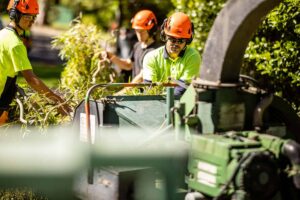
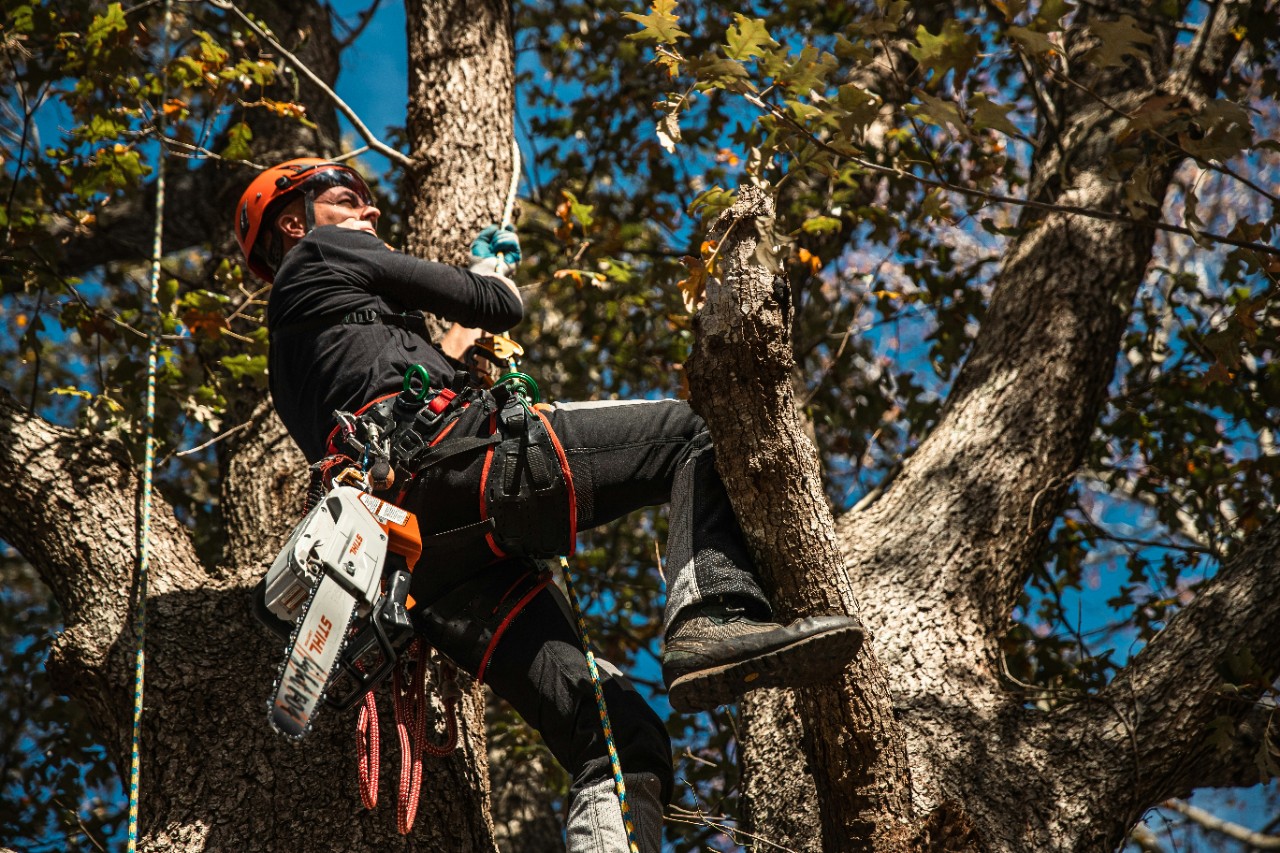
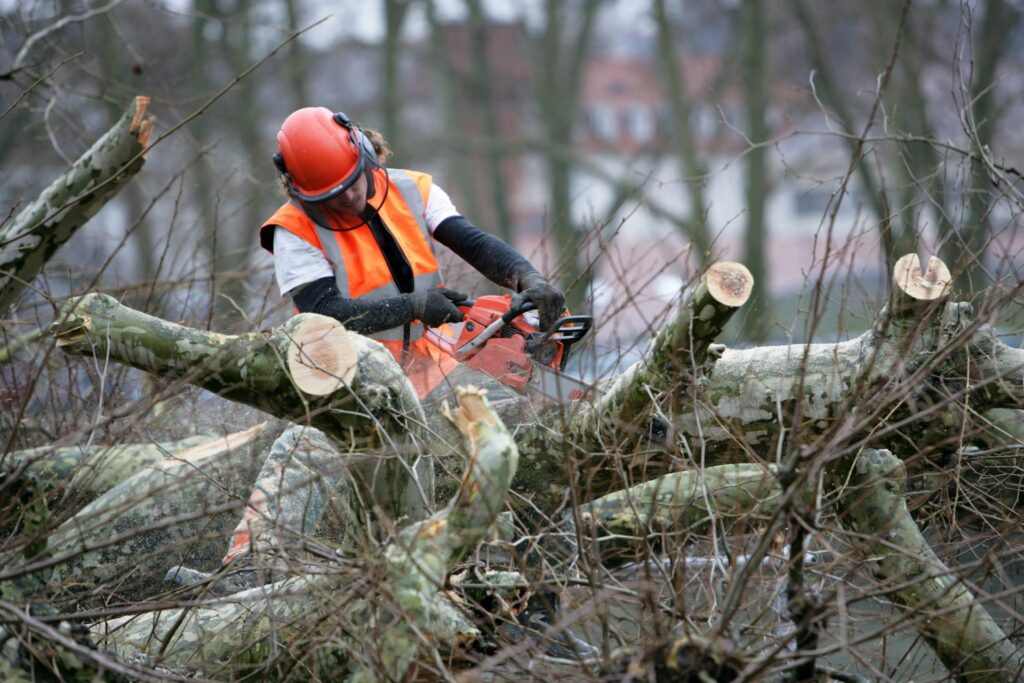
Tree removal is loud, messy, and sometimes a little dramatic. It can involve chainsaws overhead, rigging lines, falling timber, and trucks reversing in tight spaces. So safety is not just hard hats.
Professional tree removal services should be able to explain their plan in plain language. Where will the crew stand? Where will pieces be lowered? What happens if the wind picks up? Whether they will use rigging, a crane, or an elevated work platform.
They should also consider other people: neighbours, pedestrians, kids coming home from school, pets that slip out the gate. In suburban Australia, fences are close, powerlines are common, and driveways are shared. Tree removal services that handle this well will usually talk about:
- Traffic or footpath control if needed
- Powerline proximity and whether the utility needs to be involved
- Noise timing, especially in tighter neighbourhoods
- Gate access and keeping it closed
- Protection for sheds, pergolas, solar panels, and water tanks
If a crew turns up and improvises on the spot, that is a warning sign. Good tree removal services do not rely on luck.
Do they offer a sensible aftercare plan (not just a quick exit)?
Once a tree is gone, the garden changes. More sun, more wind, different drainage. Sometimes that is the goal. Sometimes it surprises people.
Better tree removal services will at least mention what comes next. Not a sales pitch, just basic aftercare. Things like whether the stump may re-shoot, whether roots might affect nearby paving as they decay, and whether the area should be levelled and topped up with soil.
For sustainable plant care, this is also the moment to think about replanting. Some clients will want a replacement tree suited to their microclimate. Others might pivot to fresh cut flowers or a more open, light-friendly planting area. Either way, tree removal services that can coordinate with an arborist assessment or recommend planting options tend to leave the site in better shape.
And if the removed tree was part of a broader tree maintenance plan, they should be able to explain why removal was chosen over pruning or risk reduction. Not every tree needs to come down. The best tree removal services are comfortable saying that too.
Final checklist before they book
Hiring tree removal services is one of those decisions that feels urgent, especially after a storm, but still deserves a calm checklist. They should be qualified and insured. They should understand local regulations. The quote should be specific. The safety plan should be clear. And there should be some thought given to what the garden looks like afterwards.
When those boxes are ticked, tree removal stops being a gamble. It becomes just another well-managed step in keeping outdoor spaces safe, healthy, and ready for whatever gets planted next.